The United States spans over 3.8 million square miles, and choosing where to stay - and what type of hotel delivers the most for your money - matters more than most travelers realize. This guide covers 8 carefully reviewed 3-star hotels across key US destinations, from Atlantic coast beaches to Colorado mountain towns, helping you compare options before you book.
What It's Like Staying in the United States
The US offers an almost unmatched diversity of stay experiences - urban grid hotels in Philadelphia, beachfront properties in Myrtle Beach and Wildwood Crest, resort-style lodging in Cape Cod, and entertainment-district stays in Branson, Missouri. No other country forces as many location-specific booking decisions, because the gap between a convenient location and an inconvenient one can mean hours of daily driving. Crowds follow predictable patterns: coastal destinations like Myrtle Beach and Provincetown surge between Memorial Day and Labor Day, while inland cities like Colorado Springs and Jacksonville stay busier year-round thanks to military and business travelers.
Cities with major airports - Philadelphia, Jacksonville - draw business traffic that keeps mid-week rates elevated, while beach and resort towns dip sharply in the off-season. Around 60% of US hotel bookings are made within two weeks of the stay, which reflects last-minute travel culture but also means early planners can lock better rates and room categories, especially at oceanfront properties.
Pros:
- Enormous geographic variety means you can combine city, beach, and nature stays in one trip without leaving the country
- 3-star hotels in the US consistently include free parking - a real cost advantage compared to European equivalents
- Domestic flight networks make multi-destination US trips logistically practical, even on short timelines
Cons:
- Resort fees and parking charges at coastal and urban hotels can add $20-$40 per night beyond the posted rate
- Public transport between attractions is limited outside major metros - a car is nearly always necessary
- Peak-season pricing at beachfront destinations can rival 4-star urban rates, reducing the value proposition
Why Choose 3-Star Hotels in the United States
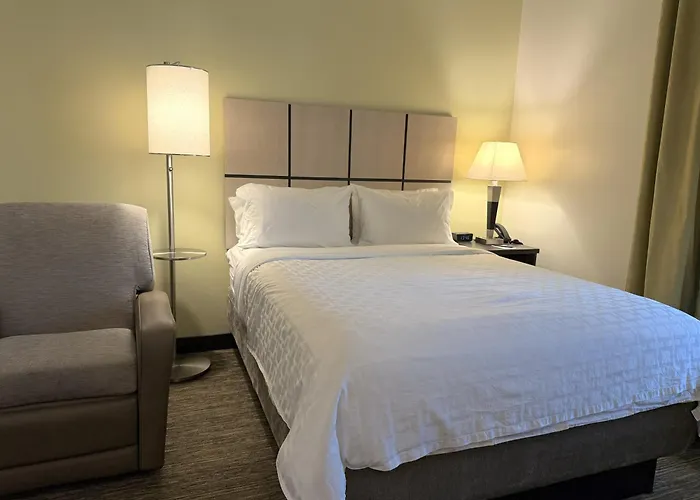
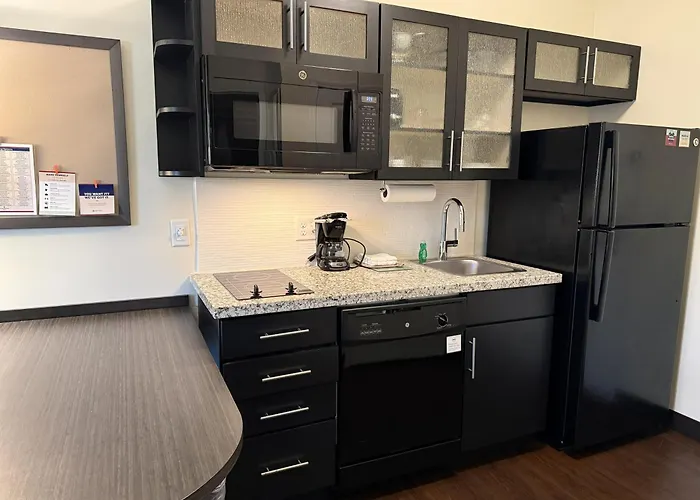
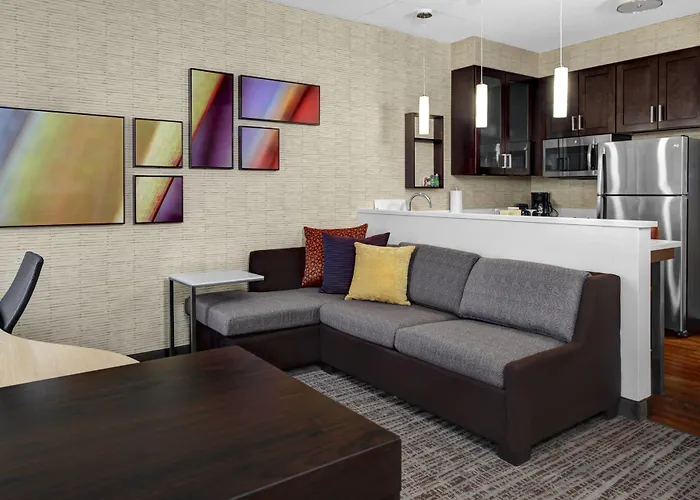
3-star hotels in the US occupy a genuinely practical middle ground - they consistently include amenities like indoor or outdoor pools, fitness centers, free WiFi, and in many cases complimentary breakfast, without the service overhead that drives up 4-star pricing. What distinguishes this category specifically in the US is the prevalence of extended-stay formats: brands like Candlewood Suites and Residence Inn build kitchenettes directly into standard rooms, which is uncommon at this price point in most other countries. A 3-star hotel in the US with a kitchenette can reduce a week-long trip's food costs by several hundred dollars compared to relying entirely on restaurants.
Room sizes at US 3-star properties tend to run larger than European counterparts at the same star level - suites and oversized room formats appear frequently at brands like SpringHill Suites and Hampton Inn. Trade-offs include lighter on-site dining options (many properties offer breakfast only) and locations that sometimes prioritize highway or airport access over walkable urban settings. Around 70% of the 3-star hotels in this guide offer free private parking, which is a decisive advantage for road-trip travelers moving between destinations.
Pros:
- Kitchenette-equipped rooms are common at this tier in the US, enabling longer stays without daily restaurant dependence
- Major brand loyalty programs (IHG, Marriott, Hilton) apply at most US 3-star properties, allowing points accumulation on value-tier stays
- Indoor pool availability at several properties extends usability into off-season months when outdoor pools close
Cons:
- On-site dining is typically limited to breakfast - dinner requires a car or delivery app in most locations
- Properties near airports or highways trade location convenience for noise exposure, particularly on lower floors
- Seasonal 3-star beachfront rates can match or exceed year-round urban 3-star pricing, narrowing the budget advantage
Practical Booking & Area Strategy for the US
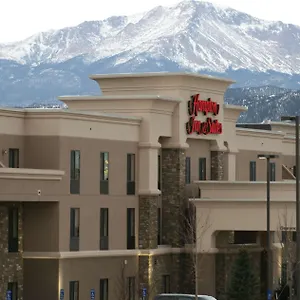
The US requires a destination-first booking strategy more than almost anywhere else - the right city matters more than the right brand. Philadelphia suits travelers needing airport proximity with urban access, while Colorado Springs positions well for Air Force Academy visits, Garden of the Gods, and Pikes Peak access. Myrtle Beach and Wildwood Crest are beach-dedicated destinations where an oceanfront location genuinely changes the stay experience; properties set even a few blocks inland lose both views and direct beach access. Branson, Missouri is a high-value entertainment hub - nearly all major attractions, including the Titanic Museum and Mickey Gilley Theatre, sit within a few kilometers of the hotel corridor, making it one of the most walkable mid-size destination towns in the country.
Jacksonville offers an underrated coastal position: Kathryn Abbey Hanna Park and Jacksonville Beach are under 9 km from the Mayport corridor, and the area attracts far fewer crowds than Florida's southern resort cities. Cape Cod's Provincetown is a premium outlier - accommodation here is limited and books out fast in summer, so advance reservations are critical. For multi-city road trips along the East Coast, the Jacksonville-Myrtle Beach-Wildwood Crest-Philadelphia corridor is driveable over 4 to 5 days with logical overnight stops. Colorado Springs sits just 1.5 hours from Denver, making it a practical add-on to a Rocky Mountain itinerary without requiring a separate flight.
Coastal & Beach 3-Star Hotels
These properties sit on or within walking distance of major US beaches, offering direct water access, seasonal pools, and room configurations designed for leisure stays - features that set them apart from the highway-adjacent or airport-adjacent properties in this guide.
-
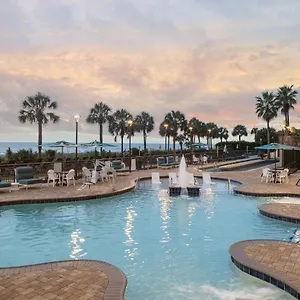
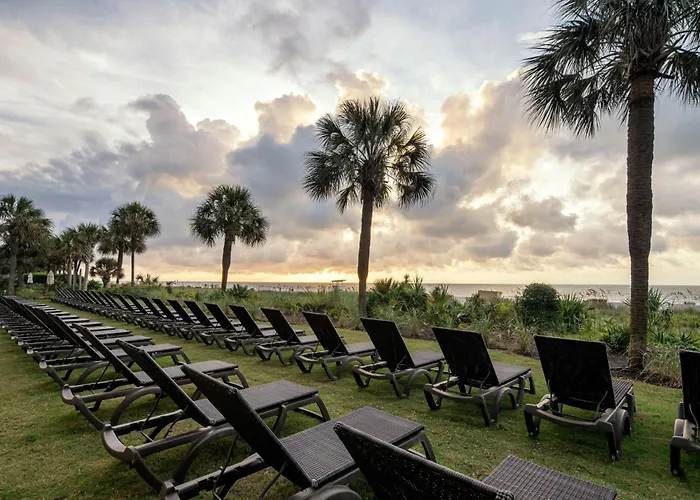
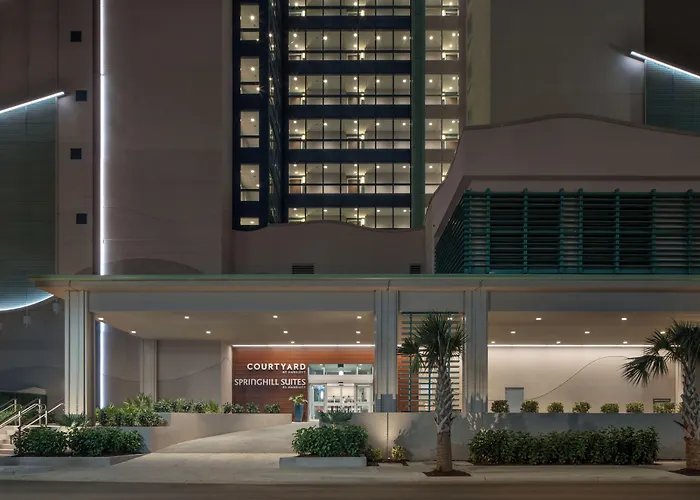
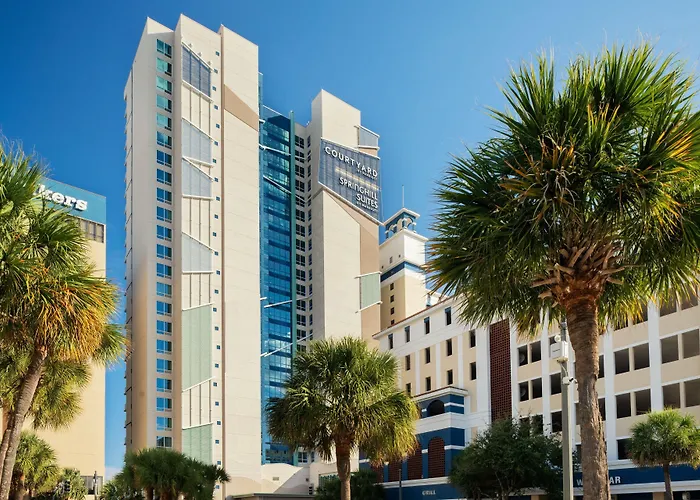
1. Springhill Suites By Marriott Myrtle Beach Oceanfront
Show on map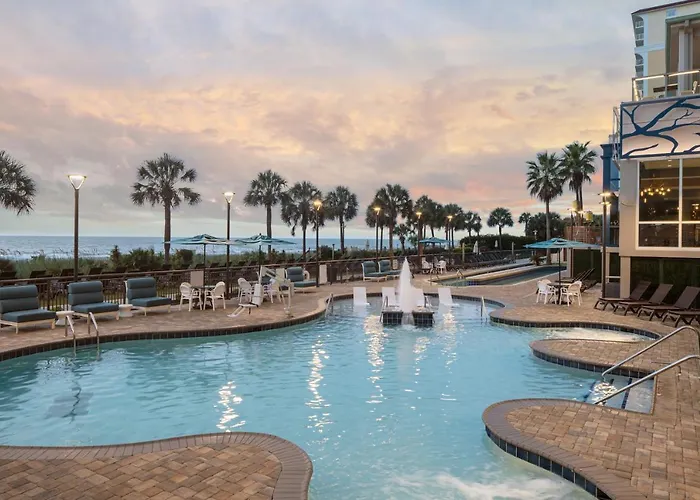
 Check-infrom 16:00 until 23:59Check-outuntil 11:00
Just a few rooms left at the best rate!
fromUS$ 450
-
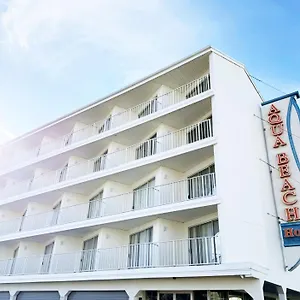
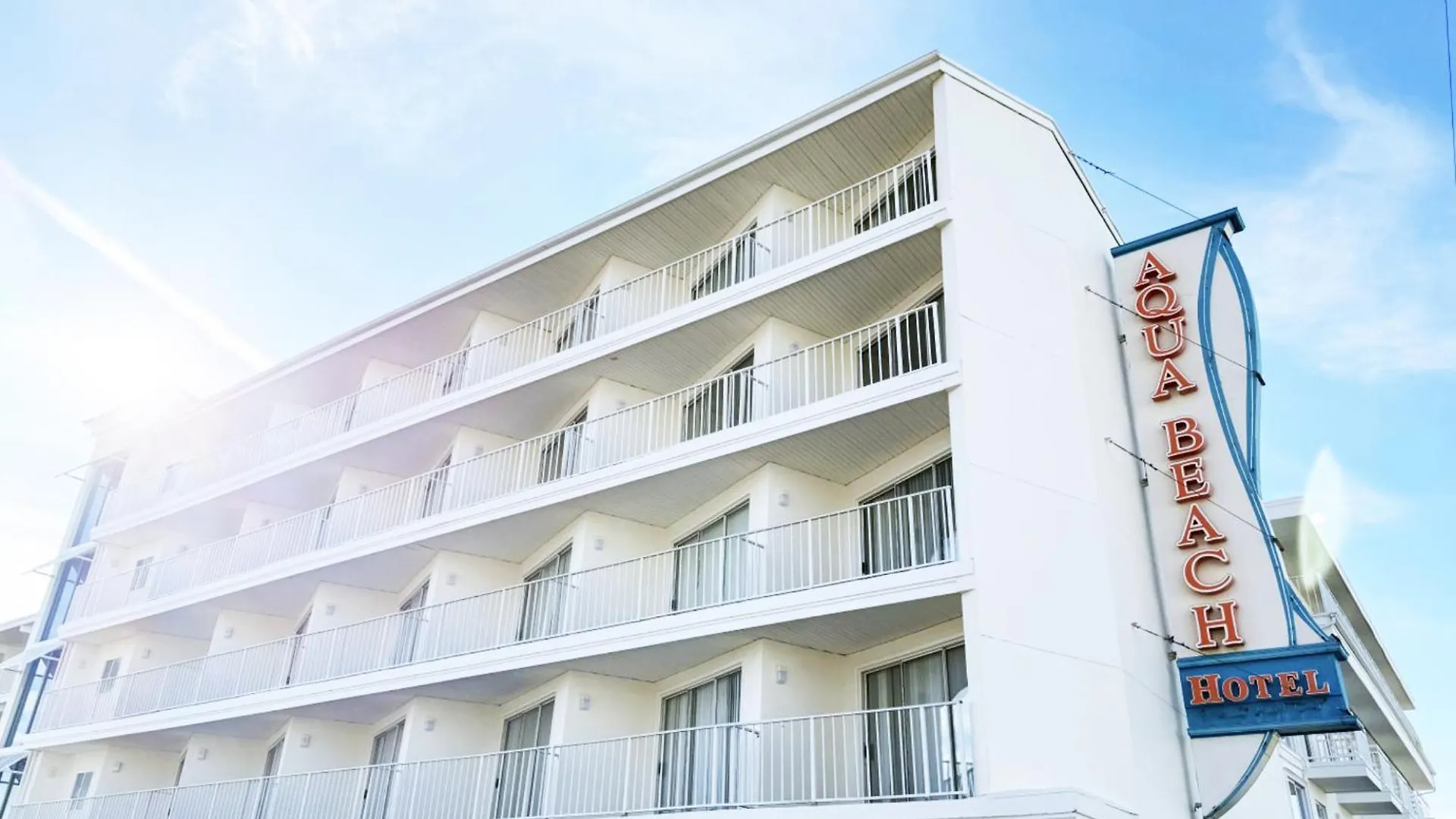
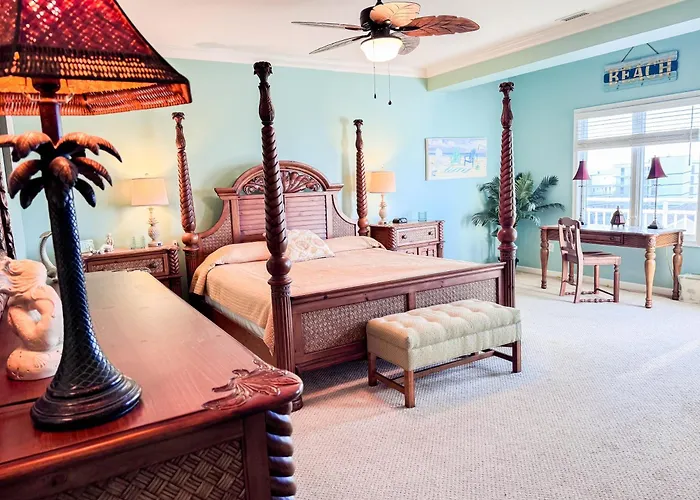
2. Aqua Beach Hotel
Show on map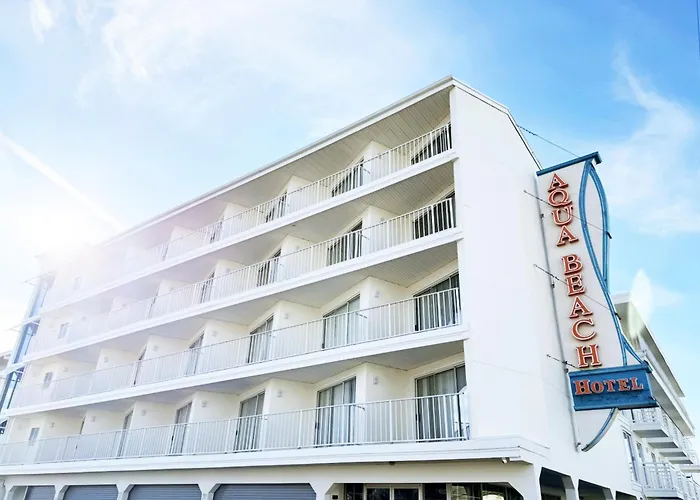
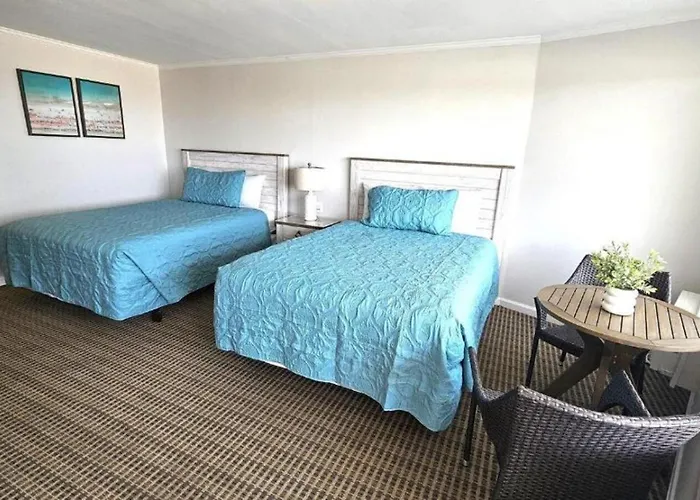
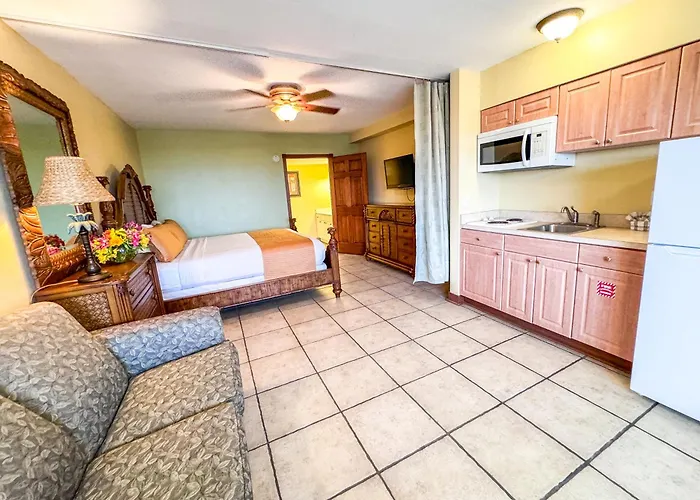
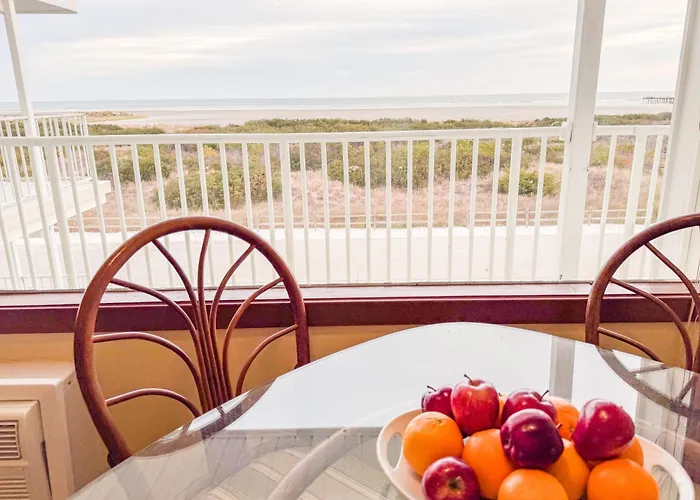 Check-infrom 16:00 until 23:59Check-outuntil 10:00
Just a few rooms left at the best rate!
fromUS$ 82
-
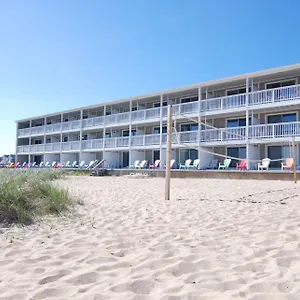
3. Sandcastle Resort
Show on map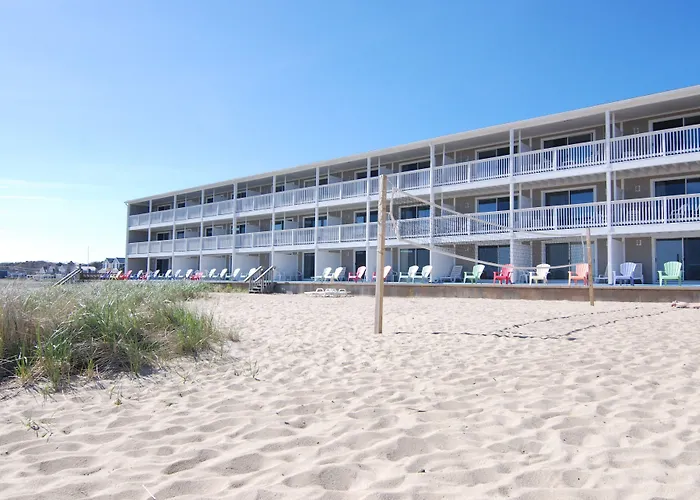
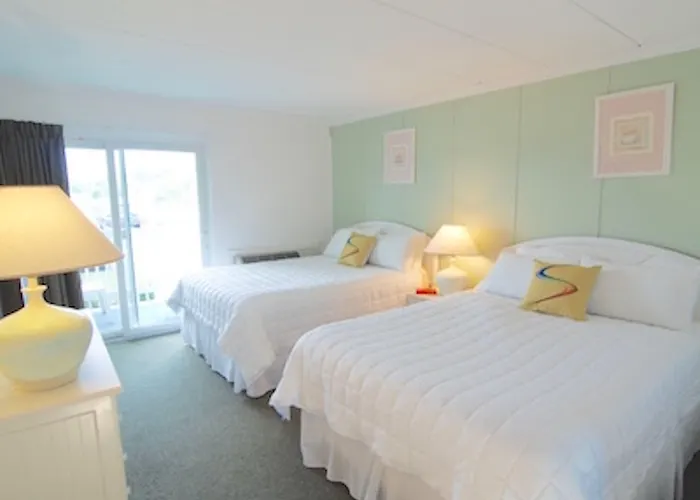
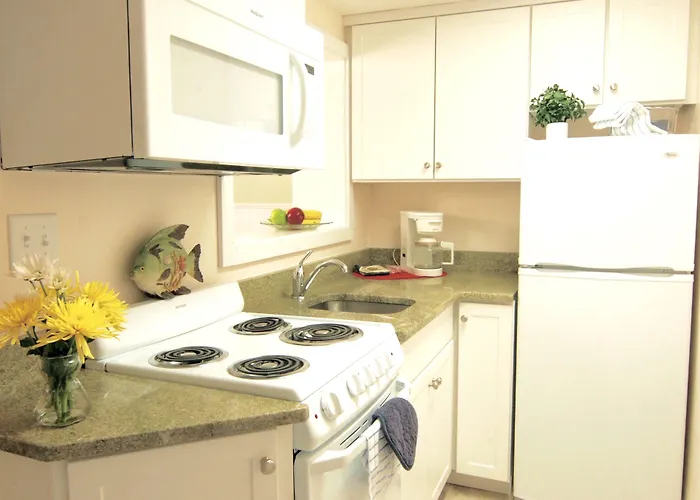
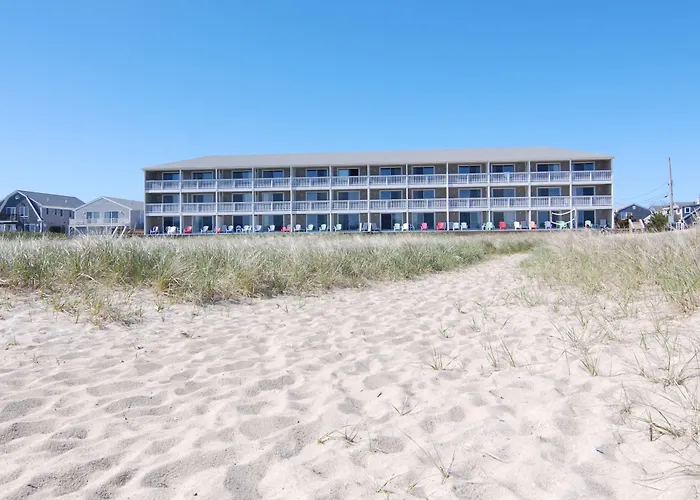
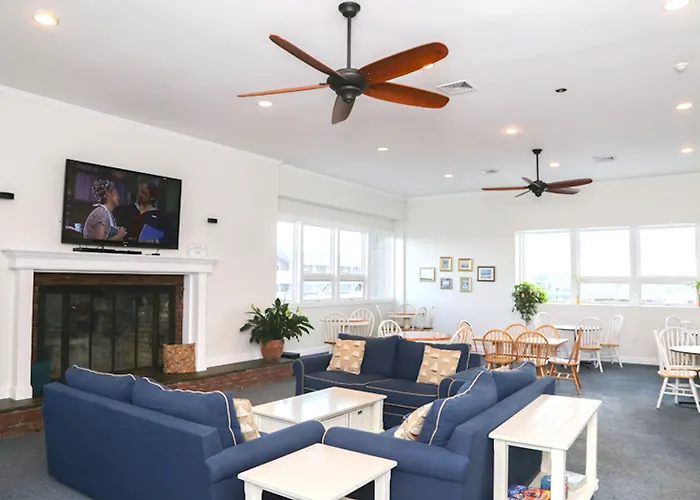 Check-infrom 16:00 until 23:59Check-outuntil 10:00
Just a few rooms left at the best rate!
fromUS$ 69
-
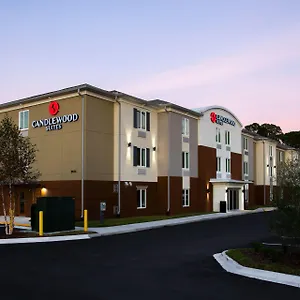
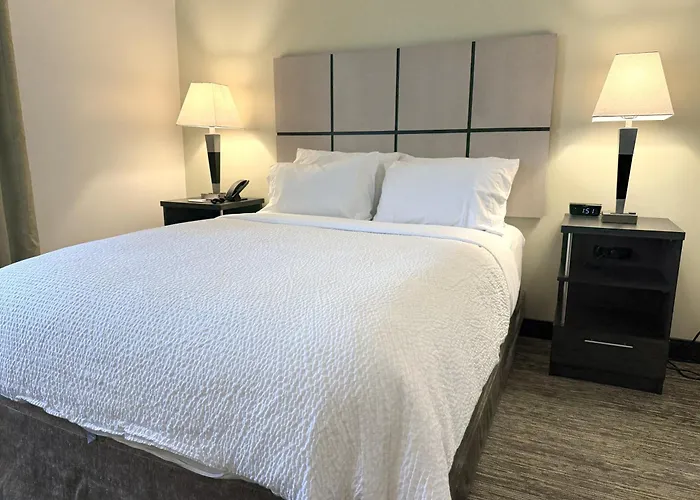
4. Candlewood Suites - Jacksonville - Mayport By Ihg
Show on map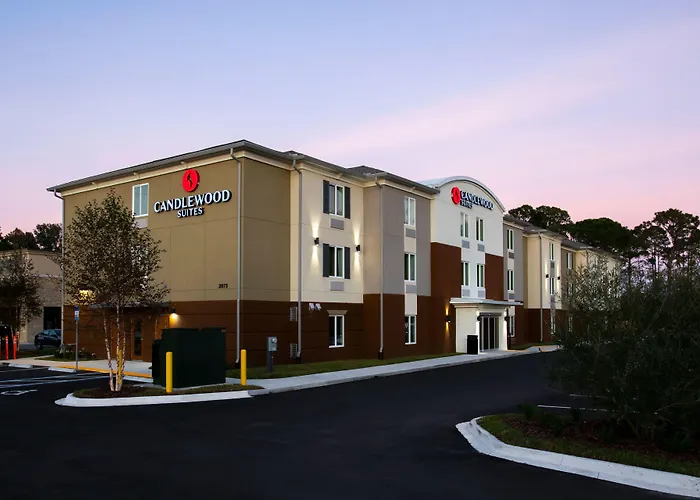

 Check-infrom 15:00 until 23:59Check-outuntil 11:00
Hurry – almost gone at this price!
fromUS$ 129
City, Airport & Inland 3-Star Hotels
These properties prioritize transportation access, entertainment-district proximity, or mountain-region positioning - each serving a distinct travel purpose that separates them from pure beach stays.
-
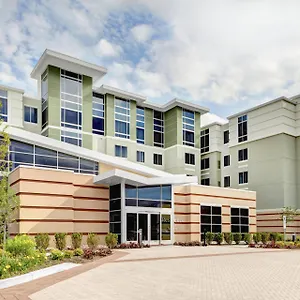
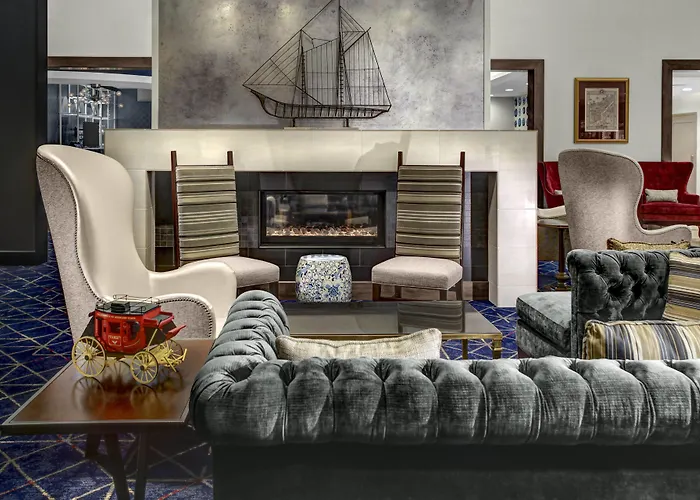
5. Residence Inn By Marriott Philadelphia Airport
Show on map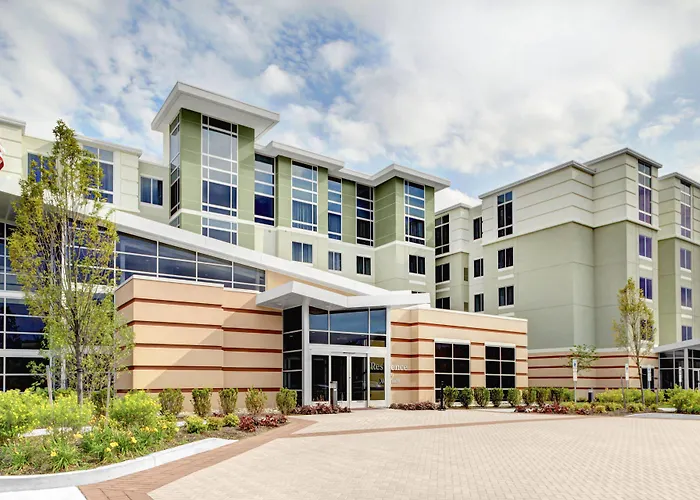


 Check-infrom 15:00 until 23:59Check-outuntil 12:00
Hurry – almost gone at this price!
fromUS$ 211
-
6. Hampton Inn & Suites Colorado Springs-Air Force Academy/I-25 North
Show on map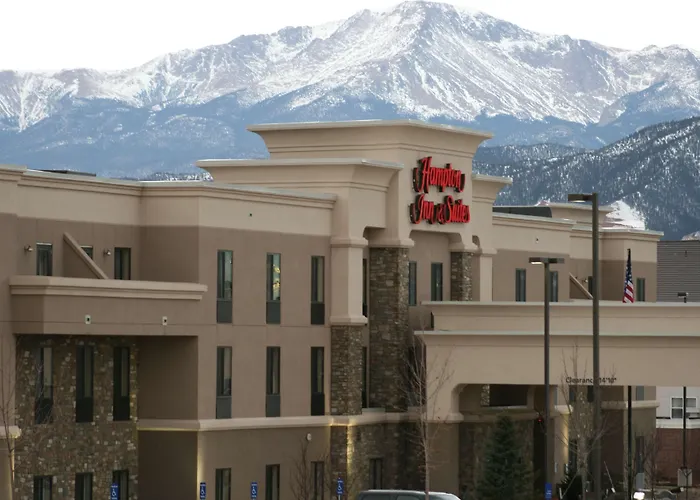

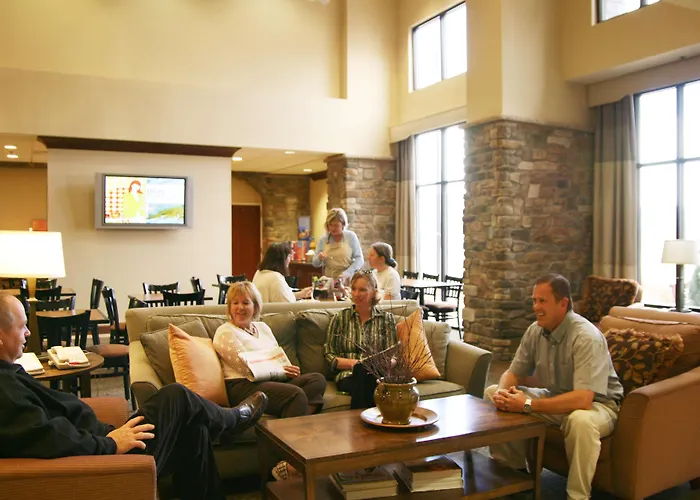
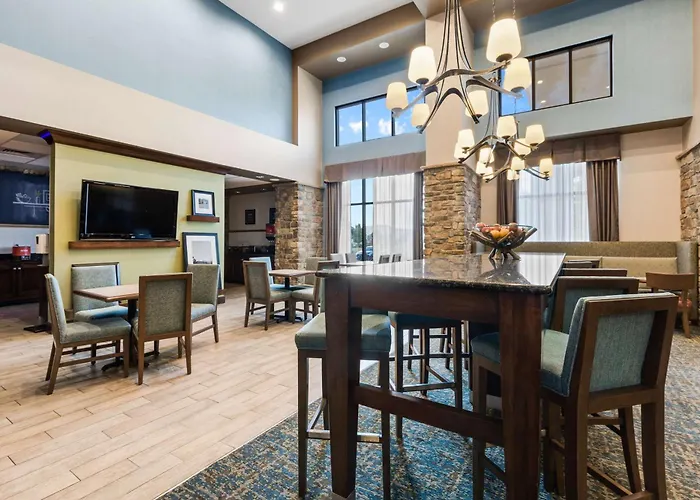
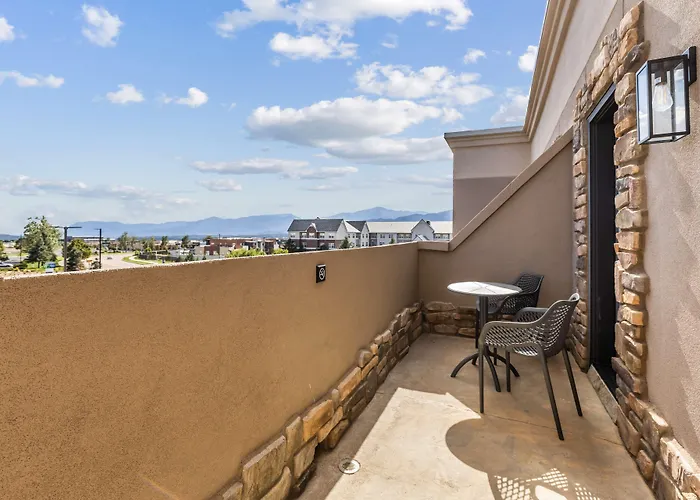 Check-infrom 15:00 until 23:59Check-outuntil 11:00
Hurry – almost gone at this price!
fromUS$ 101
-
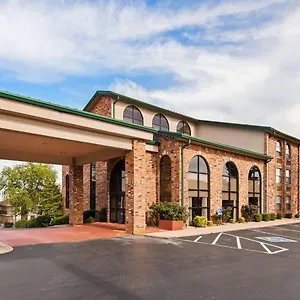
7. Best Western Music Capital Inn
Show on map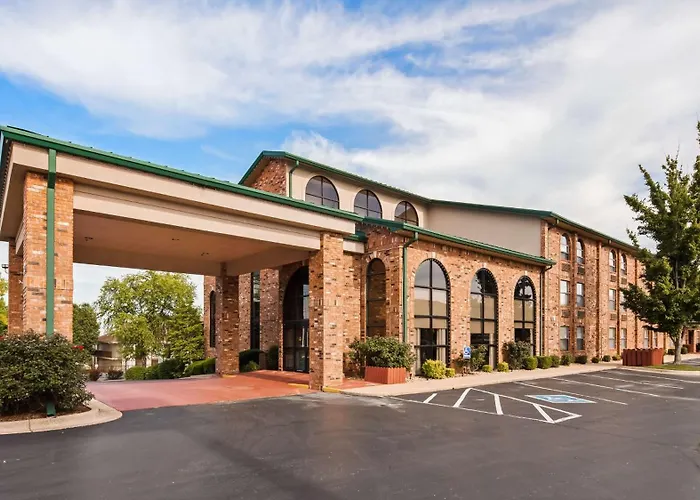
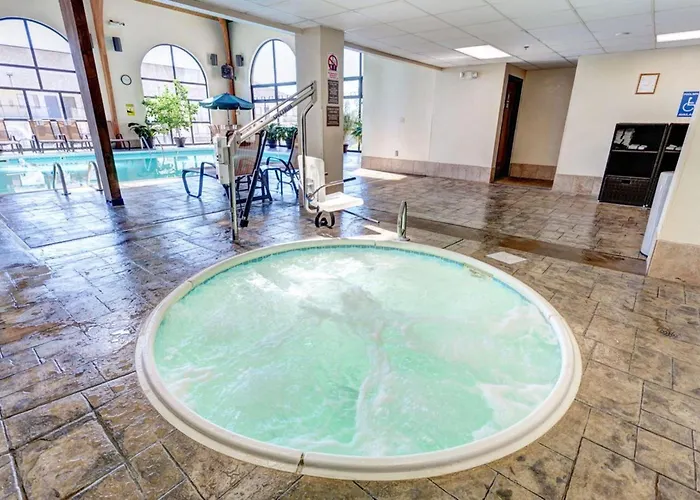
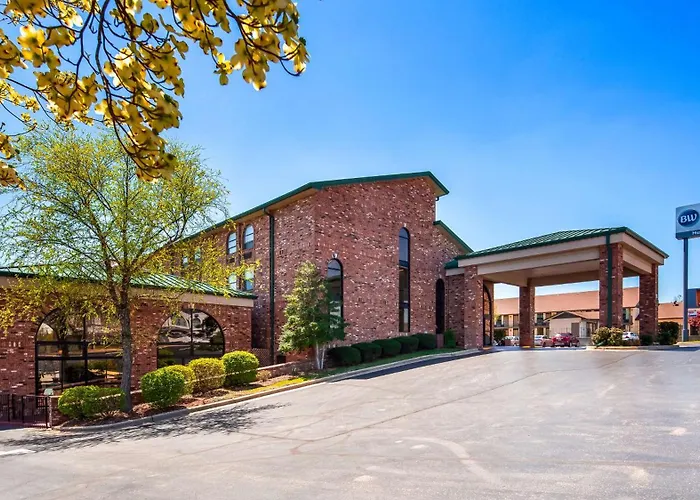
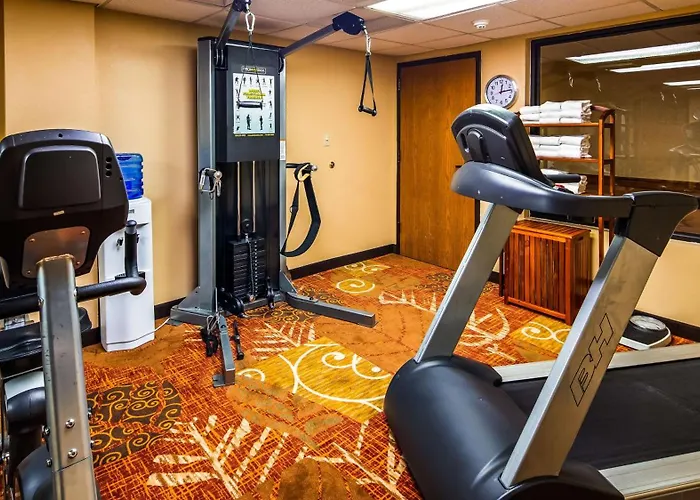
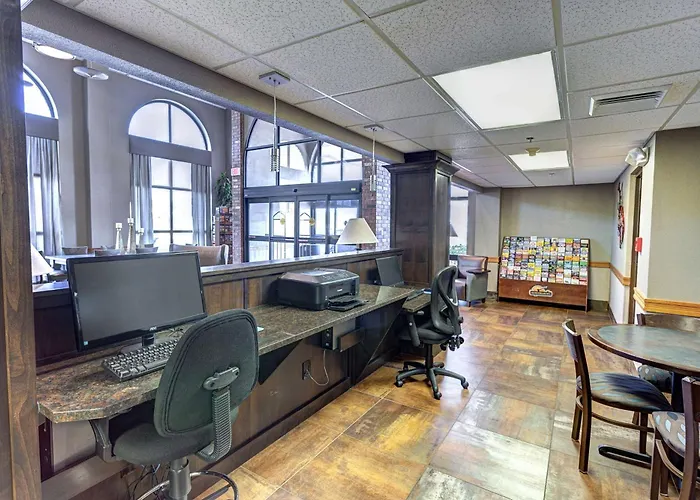 Check-infrom 16:00 until 23:59Check-outuntil 11:00
Rooms filling fast – secure the best rate!
fromUS$ 110
-
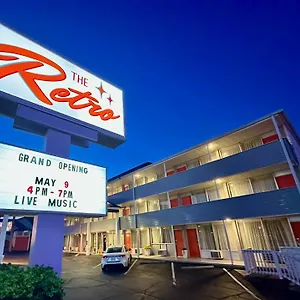
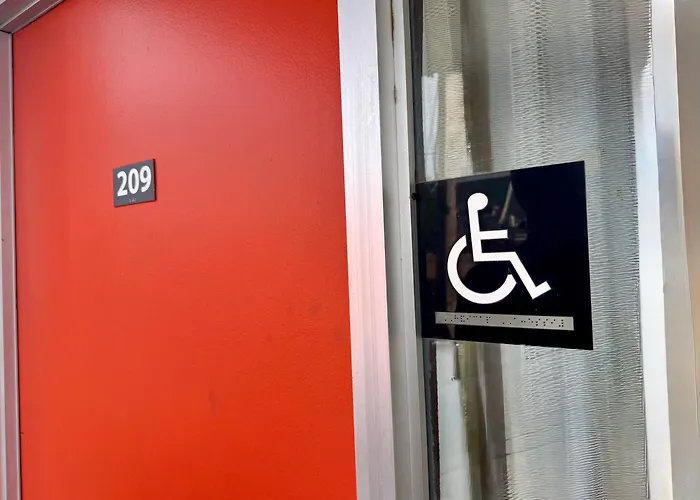
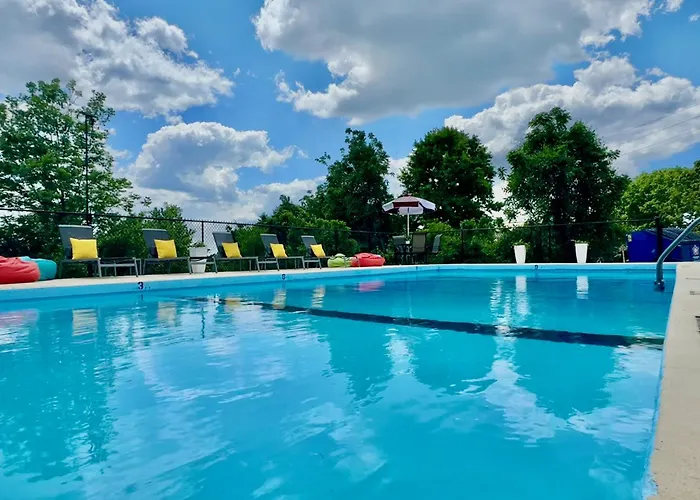
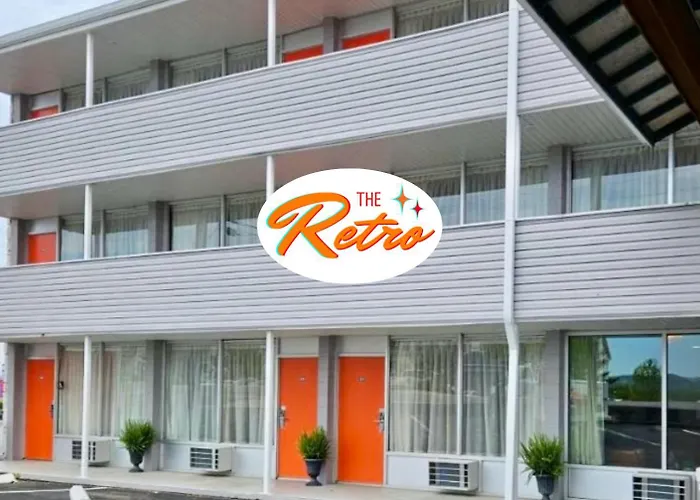
8. The Retro Hotel
Show on map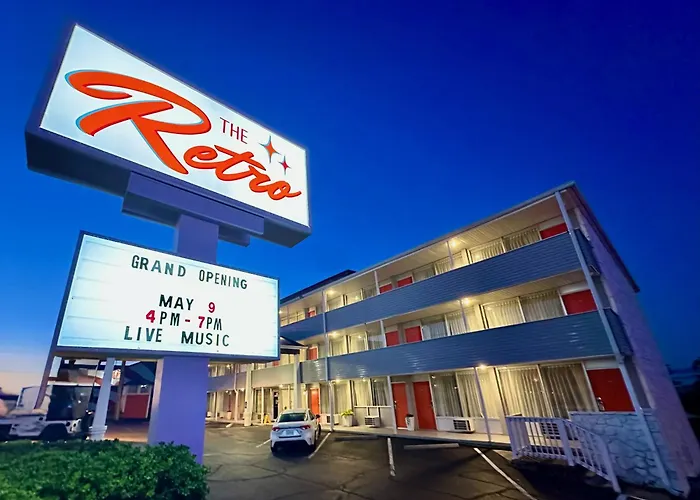
 Check-infrom 15:00 until 23:00Check-outfrom 08:00 until 11:00
Rooms filling fast – secure the best rate!
fromUS$ 98
Smart Travel & Timing Advice for US Hotel Stays
Timing your US hotel booking depends sharply on which region you're targeting. East Coast beach destinations - Myrtle Beach, Wildwood Crest, and Provincetown - peak between late June and late August, when oceanfront 3-star rates can climb to match mid-range urban pricing. Booking these properties at least 6 weeks out secures both better room categories (balcony units and suites fill first) and rates that are meaningfully lower than last-minute availability. Shoulder seasons - May and September - offer near-peak weather at Myrtle Beach and Wildwood Crest with noticeably thinner crowds and lower rates, often dropping by around 30% compared to July peaks.
Philadelphia and Colorado Springs stay relatively steady in pricing year-round, driven by consistent business and military visitor demand, though Philadelphia does see rate spikes during Eagles or Phillies home-game weekends at properties near Citizens Bank Park. Branson, Missouri has a distinct season pattern: summer and October (Harvest Festival season) represent its two busiest periods, while January through March sees the lowest rates and reduced show schedules. For Provincetown's Sandcastle Resort, summer availability disappears months in advance - this is not a last-minute market. A minimum stay of 3 nights makes logistical and financial sense at most US 3-star properties, as single-night stays often trigger higher per-night rates and don't justify the drive or flight to reach the destination.