Texas is one of the most visited states in the US, drawing millions of travelers each year to its cities, festivals, and wide-open landscapes - and budget-conscious travelers have real, well-located options across Austin and Dallas. This guide breaks down 4 affordable hotels across Texas, comparing location, facilities, and value so you can book with confidence.
What It's Like Staying in Texas
Texas operates on a car-first logic - distances between attractions, airports, and hotels are significant, and relying on rideshare or a rental car is the norm in cities like Dallas and Austin. The state draws a diverse mix of business travelers, road-trippers, music festival crowds, and families, which means hotel demand spikes sharply during SXSW in Austin and major sports events in Dallas. Budget travelers who plan ahead can secure solid rates, while last-minute bookers often find prices pushed up by around 40% during peak periods.
Austin's layout centers around downtown, the University of Texas campus, and the expanding northwest corridor, while Dallas clusters activity near Love Field, Uptown, and the Convention Center district. Staying slightly outside the urban core is a practical strategy - you trade walkability for lower nightly rates and free parking, which matters in a driving-heavy state.
Pros:
Free parking is widely available at budget hotels outside city centers, cutting daily transportation costs
Texas has no state income tax, which generally keeps hospitality costs competitive compared to coastal US cities
Both Austin and Dallas have international airports with strong domestic connections, making logistics straightforward
Cons:
Public transit is limited - walking between attractions is rarely practical without a vehicle or rideshare
Texas summer heat (regularly above 100°F) limits outdoor sightseeing and can increase energy costs at hotels
Major events like SXSW, Austin City Limits, and Dallas Cowboys games compress hotel availability and spike rates quickly
Why Choose Budget Hotels in Texas
Budget hotels in Texas punch above their price point more than in many US states - properties from brands like Hampton Inn, Marriott, Tru by Hilton, and Ramada by Wyndham regularly include complimentary breakfast, free parking, and fitness centers at rates that mid-range travelers in New York or Los Angeles would find remarkable. Free hot breakfast alone saves around $15-$20 per person per day, which adds up meaningfully over a multi-night stay. The trade-off is location: affordable properties tend to sit 8 to 20 km from downtown cores, making a car or rideshare essential.
Room sizes at Texas budget hotels are generally generous by US standards, and most properties in this tier offer fridges, microwaves, and flat-screen TVs as standard - amenities that allow self-catering to reduce meal costs further. Branded budget chains dominate this market, meaning consistency in cleanliness and safety standards is reliable across properties.
Pros:
Complimentary hot breakfast included at most properties in this selection, reducing daily travel spend
Free on-site parking standard at several options - a real saving in Dallas and Austin where parking fees add up fast
Branded chain reliability (Hilton, Marriott, IHG, Wyndham) ensures consistent standards at below-market rates
Cons:
Distance from downtown means rideshare or rental car costs offset some of the savings on nightly rate
Fewer walkable dining or entertainment options directly outside budget-tier properties in suburban locations
On-site dining is limited or absent at some properties - breakfast is often the only meal served
Practical Booking & Area Strategy
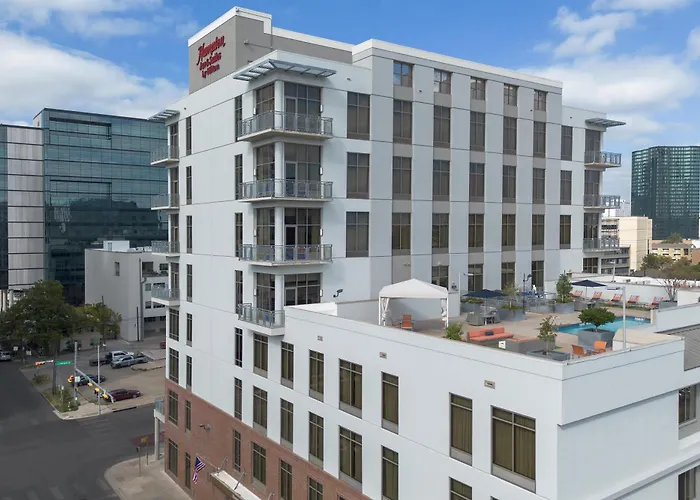
In Austin, the University/Capitol corridor puts budget travelers within 1 mile of the Texas State Capitol and the Sixth Street entertainment district - a rare walkable position for the price tier. Properties further northwest near the Arboretum area trade centrality for quieter surroundings and free parking, sitting roughly 18-19 km from downtown landmarks like the Frank Erwin Center and the Capitol Building, which makes them better suited to travelers with a rental car. Austin-Bergstrom International Airport sits about 9 km from the South Austin hotel cluster, making post-flight check-ins efficient. In Dallas, the Love Field corridor is strategically positioned just 5 km from Dallas Love Field Airport and 8 km from American Airlines Center, making it practical for sports travelers and business visitors flying Southwest Airlines domestically.
Key Texas attractions worth building your itinerary around include the 6th Street live music scene and Barton Springs Pool in Austin, and the Arts District, Reunion Tower, and Deep Ellum neighborhood in Dallas. Book at least 6 weeks ahead for SXSW (March) or Austin City Limits (October) - availability at budget properties evaporates faster than at luxury hotels during these windows, and prices can double with little warning.
Best Value Stays
These properties deliver the strongest combination of location, included amenities, and nightly rate across the Texas budget hotel market - each offering branded reliability with practical extras that reduce your total trip cost.
-
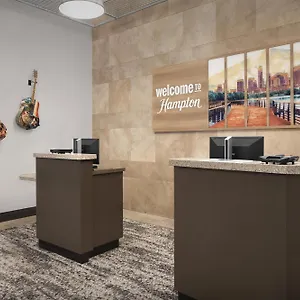
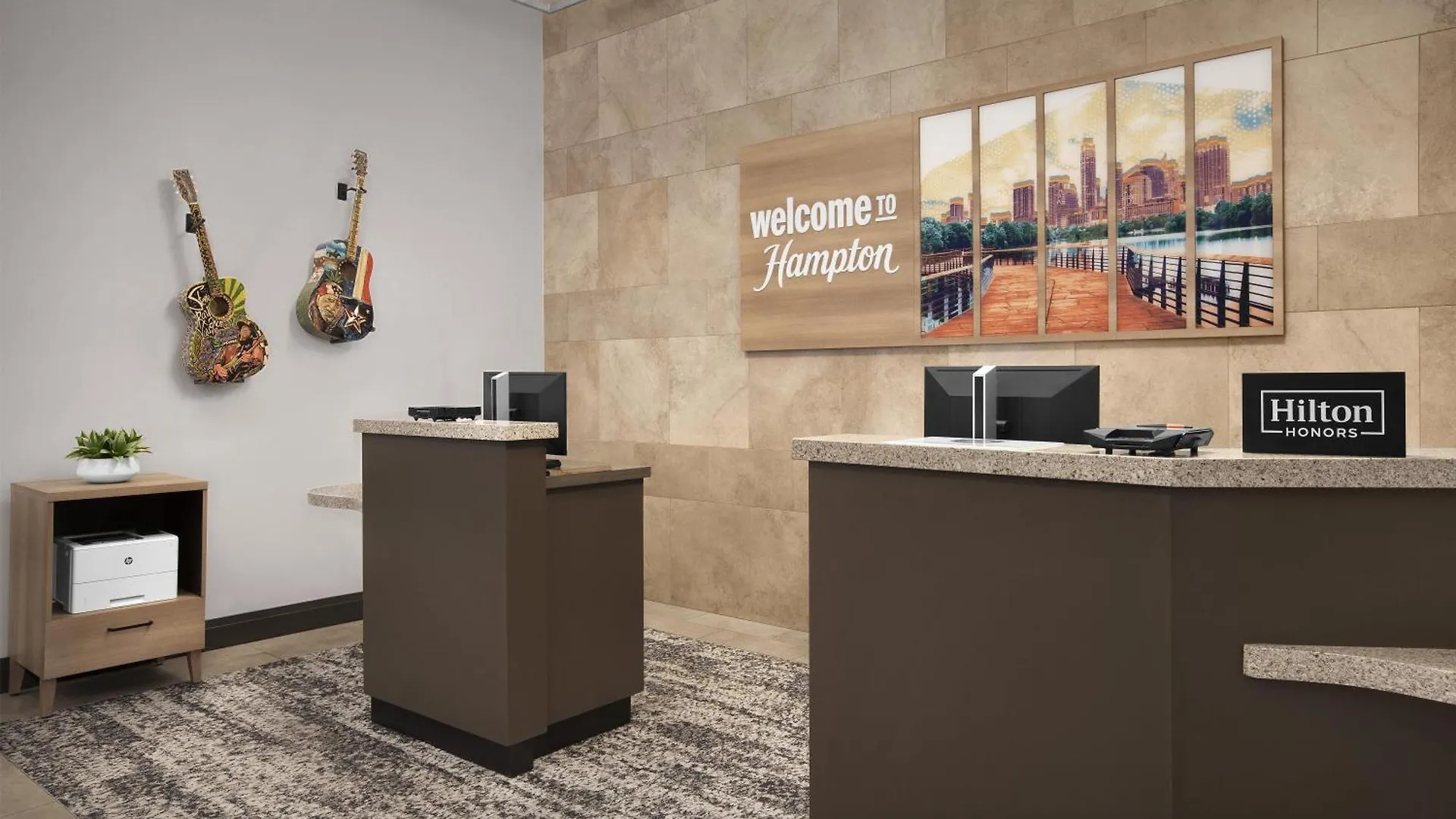
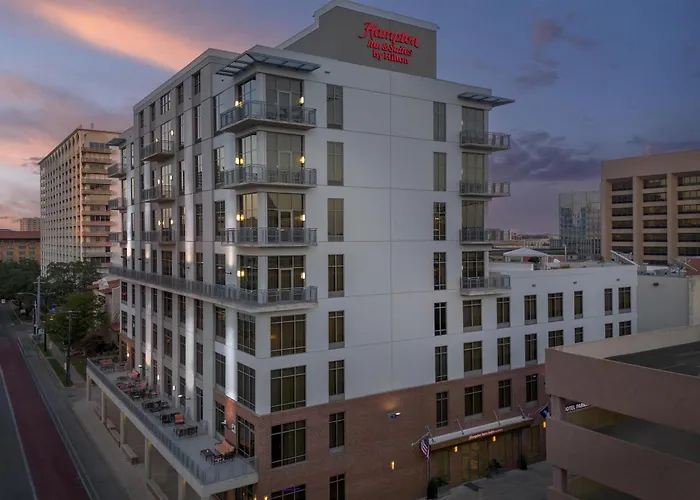
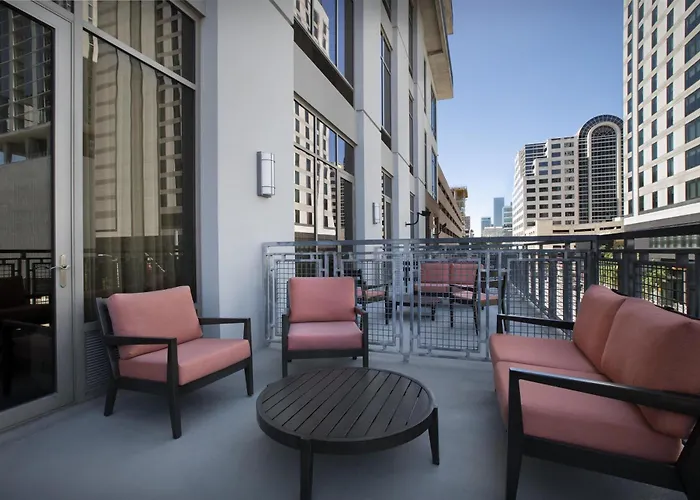
1. Hampton Inn And Suites Austin University Capitol
Show on map

 Check-infrom 16:00 until 23:59Check-outuntil 12:00
Just a few rooms left at the best rate!
fromUS$ 159
-
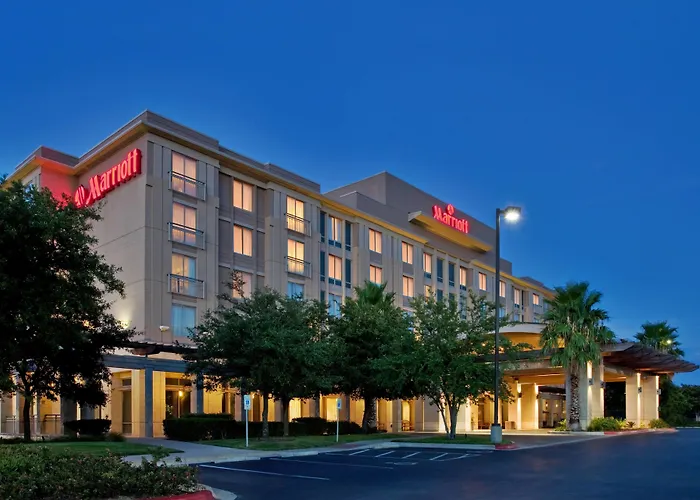
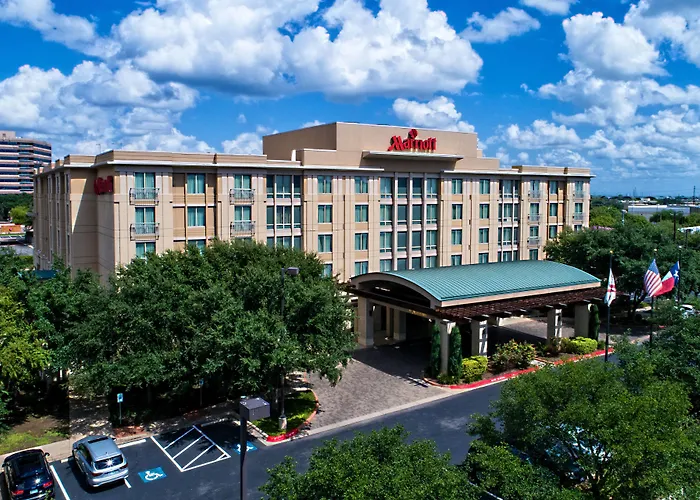
2. Austin Marriott South
Show on map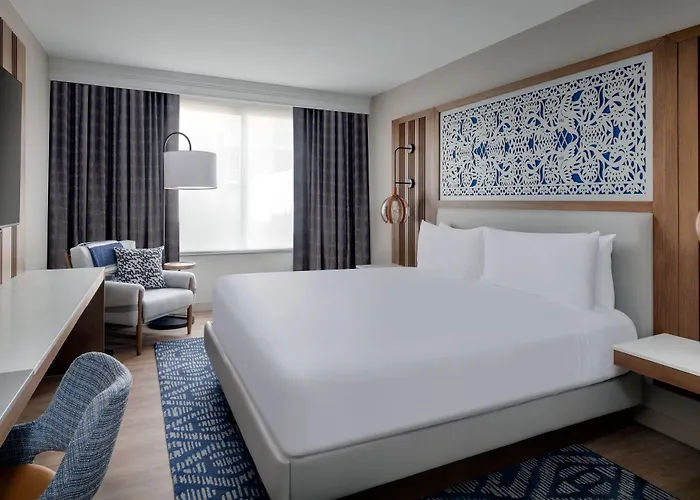
 Check-infrom 15:00 until 23:59Check-outuntil 12:00
Just a few rooms left at the best rate!
fromUS$ 139
-
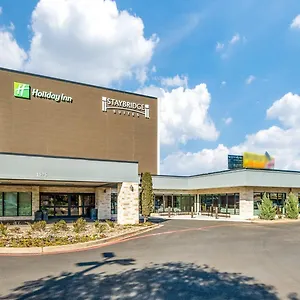
3. Staybridge Suites Dallas Market Ctr Love Field, An Ihg Hotel
Show on map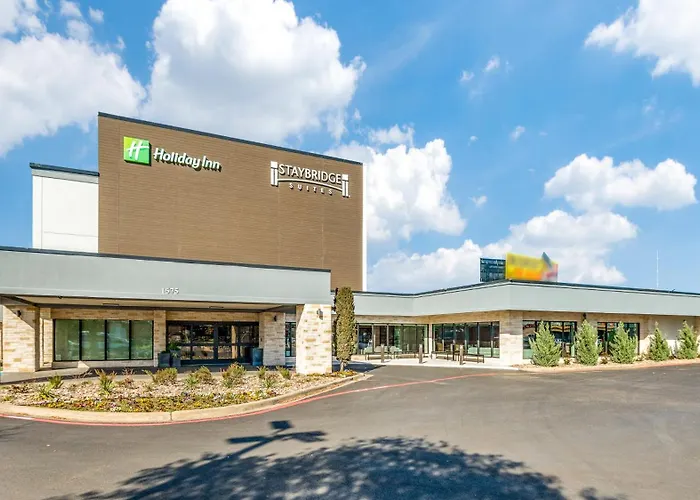
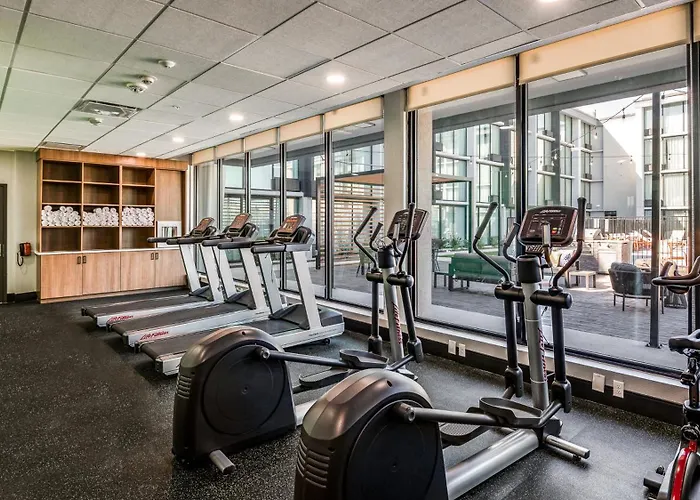
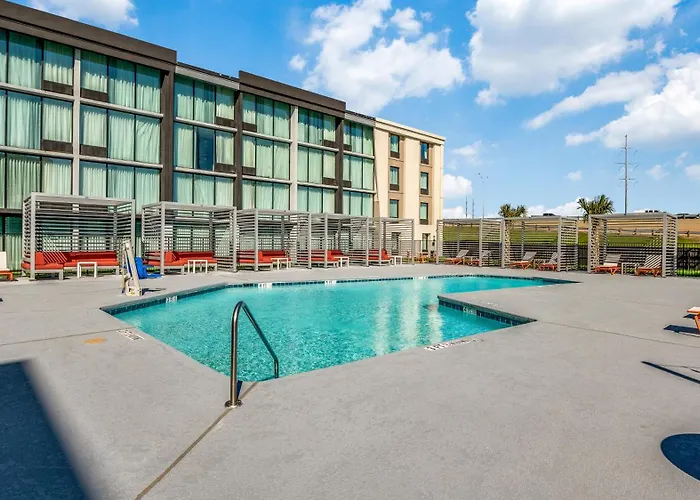
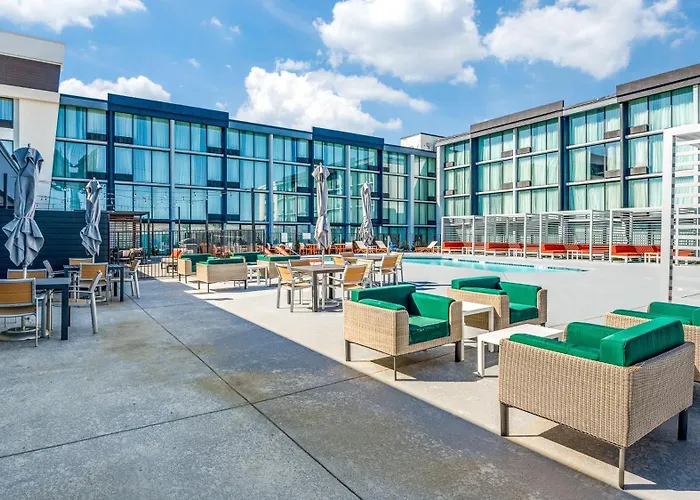
 Check-infrom 15:00 until 23:59Check-outuntil 11:00
Hurry – almost gone at this price!
fromUS$ 59
Best Budget Stay in Northwest Austin
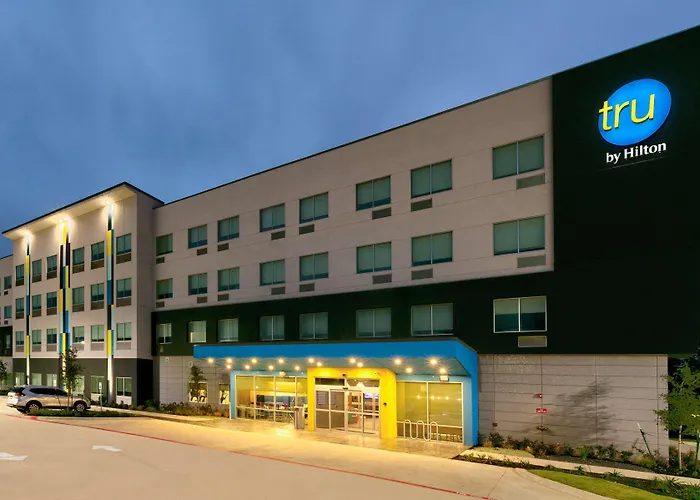
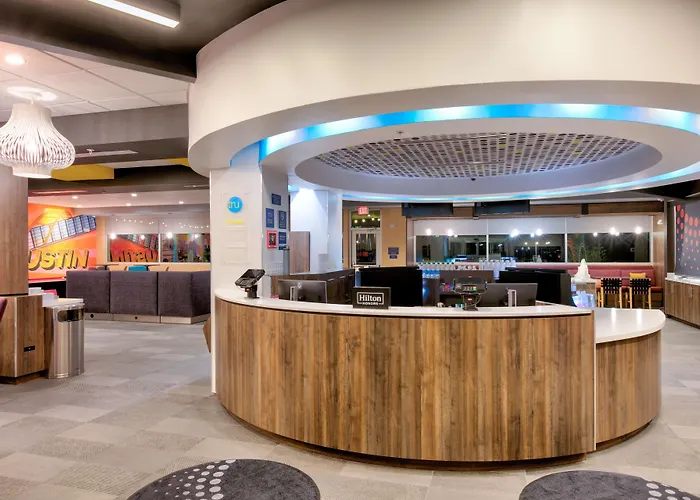
For travelers prioritizing free parking, quieter surroundings, and a suburban Austin location with easy highway access, this northwest corridor property offers straightforward value without urban noise or congestion.
-
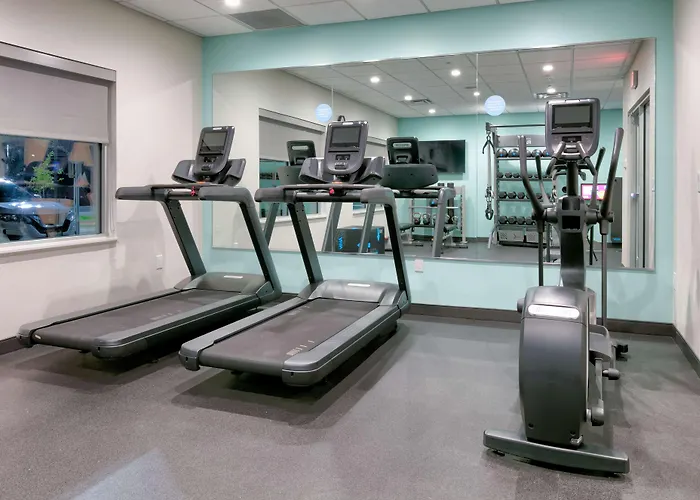
4. Tru By Hilton Austin Nw Arboretum, Tx
Show on map

 Check-infrom 15:00 until 23:59Check-outuntil 12:00
Rooms filling fast – secure the best rate!
fromUS$ 94
Smart Travel & Timing Advice
Texas hotel pricing follows two major peaks: spring (March-April, driven by SXSW and spring break) and fall (September-October, driven by Austin City Limits and college football season). During these windows, even budget hotels in Austin can reach rates comparable to mid-range properties at other times of year. Traveling in January or February is the single most effective strategy for securing the lowest nightly rates - demand drops significantly after the holiday period, and properties often run promotions to fill rooms. July and August see fewer leisure travelers due to extreme heat, which keeps some prices lower, but business travel and family road trips still maintain baseline demand.
For most Texas trips, 3 nights is the practical minimum to justify travel costs and cover both a city's core attractions and a day trip - Austin to San Antonio is around 130 km by car and easily doable as a same-day excursion. Book at least 6 weeks in advance for any stay coinciding with a major Austin or Dallas event - budget properties near key venues sell out before luxury hotels in those windows, leaving last-minute bookers with fewer and more expensive options.